


- Bestsellers
- Alcoholism
- COVID-19
- Allergy
- Anti Fungal
- Alzheimers
- Anti-Inflammatory
- Anti Viral
- Anti-Depressants
- Antibacterial
- Antibiotics
- Antiparasitic
- Arthritis
- Asthma
- Birth Control
- Blood Pressure
- Cancer
- Cardiovascular
- Cholesterol
- Diabetes
- Diuretics
- Erectile Dysfunction
- Eye Drop
- Gastro Health
- General Health
- Hair Loss
- Hepatitis C Virus (HCV)
- HIV
- Hormones
- Men's ED Packs
- Men's Health
- Mental Illness
- Motion Sickness
- Muscle Relaxant
- Pain Relief
- Parkinson’s Disease
- Quit Smoking
- Veterinary Medicines
- Vitamins
- Skin Care
- Sleeping Aids
- Weight Loss
- Women's Health
+ Next orders 10% discount

+ Next orders 10% discount
+ Next orders 10% discount
+ Next orders 10% discount
+ Next orders 10% discount
+ Package delivery insurance
+ Next orders 10% discount
+ Next orders 10% discount
+ Next orders 10% discount
+ Next orders 10% discount
+ Next orders 10% discount
+ Package delivery insurance
+ Next orders 10% discount
+ Package delivery insurance
+ Next orders 10% discount
+ Next orders 10% discount
+ Next orders 10% discount
+ Package delivery insurance
+ Next orders 10% discount
+ Package delivery insurance
+ Next orders 10% discount
+ Package delivery insurance
+ Next orders 10% discount
Buy cheap Generic Geodon (Ziprasidone) without dr prescription at Canadian Pharmacy
At our US pharmacy, you can purchase Geodon (ziprasidone) 20 mg, 40 mg, and 80 mg capsules without a prescription, with discreet and anonymous packaging delivered within 5-14 days across USA.
Geodon is an atypical antipsychotic used to treat schizophrenia and bipolar disorder, including acute manic or mixed episodes. It helps calm hallucinations, delusions, and disorganized thinking by balancing dopamine and serotonin in the brain.
A note on availability: Geodon is the U.S. brand name for ziprasidone. In Canada, the same medication is marketed under the brand name Zeldox® by BGP Pharma ULC, along with generic versions including Auro-Ziprasidone and PMS-Ziprasidone. The dosing and safety information below reflects the product monographs and clinical data that apply to ziprasidone hydrochloride.
The usual starting dose for schizophrenia is 20 mg twice daily, taken with food. Your doctor may adjust the dose based on how you respond, usually within a range of 20 mg to 80 mg twice daily. For acute mania, the starting dose is 40 mg twice daily, increased to 60 mg or 80 mg twice daily on the second day of treatment.
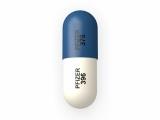
The administration form is capsules containing 20 mg, 40 mg, 60 mg, or 80 mg of ziprasidone hydrochloride monohydrate. An intramuscular injection is also available for acute agitation in hospital settings.
Geodon does not work overnight. Some calming effects may appear within the first few days, but the full benefit for psychotic symptoms usually takes several weeks of steady dosing.
Alcohol should be avoided during treatment. It adds to the drowsiness and dizziness that ziprasidone can cause, and it can increase the risk of low blood pressure and heart rhythm problems.
The most common side effects are drowsiness, insomnia, headache, and nausea. Movement side effects such as tremor, stiffness, and restlessness are also possible, though they are generally less common with ziprasidone than with older antipsychotics.
Would you like to try Geodon without a prescription?
Common Use Geodon
Ziprasidone is a second-generation antipsychotic. It works by blocking dopamine D2 receptors and serotonin 5-HT2A receptors in the brain, which helps reduce hallucinations, delusions, and disorganized thinking. It also has affinity for serotonin 5-HT1A, 5-HT2C, histamine H1, and alpha-1 adrenergic receptors, which explains some of its sedative and cardiovascular effects. Health Canada has approved ziprasidone for the treatment of schizophrenia and related psychotic disorders in adults, as well as for the acute treatment of manic or mixed episodes associated with bipolar disorder. The Canadian product monograph for Zeldox indicates it is used to treat symptoms of schizophrenia and related psychotic disorders, and symptoms of acute manic or mixed episodes associated with bipolar disorder. It is not approved for treating behavioural problems in older adults with dementia, and it carries a boxed warning about increased mortality in that population.
Basic Geodon Information
- INN (International Nonproprietary Name): Ziprasidone hydrochloride monohydrate
- Brand names available in Canada: Zeldox® (BGP Pharma ULC, a Viatris company, DIN 02298619 for 20 mg; other DINs for 40 mg, 60 mg, and 80 mg). Generics include Auro-Ziprasidone (Auro Pharma Inc.), PMS-Ziprasidone (Pharmascience Inc.), and GD-Ziprasidone (GenMed, a division of Pfizer Canada ULC, DIN 02441373, cancelled pre-market). Geodon is the U.S. brand name and is not marketed in Canada.
- ATC Code: N05AE04
- Forms and dosages: Capsules – 20 mg, 40 mg, 60 mg, and 80 mg. An intramuscular injection (ziprasidone mesylate) is also available in hospital settings for acute agitation.
- Manufacturers in Canada: BGP Pharma ULC (Zeldox), Auro Pharma Inc. (Auro-Ziprasidone), and Pharmascience Inc. (PMS-Ziprasidone). The original Zeldox brand was previously marketed by Pfizer Canada Inc.
- Registration status in Canada: Approved by Health Canada. Zeldox 20 mg is listed under DIN 02298619. Auro-Ziprasidone 20 mg is listed under DIN 02449544, with the 40 mg, 60 mg, and 80 mg strengths under DINs 02449552, 02449560, and 02449579 respectively. PMS-Ziprasidone is listed under DIN 02478811, approved on 2024-02-06. Auro-Ziprasidone 20 mg is listed as a Part 1 Benefit in the Manitoba Pharmacare formulary and is interchangeable.
- OTC / Rx classification: Prescription only (Rx) – not legally sold over-the-counter in Canadian pharmacies
Dosage & Direction
Take Geodon exactly as your doctor prescribes. Oral doses must be taken with food to ensure proper absorption. For schizophrenia, the recommended starting dose is 20 mg twice daily. Your doctor may increase the dose gradually, with adjustments occurring at intervals of not less than 2 days. The usual effective range is 20 mg to 80 mg twice daily, though efficacy has been demonstrated in doses up to 100 mg twice daily in short-term trials. Doses above 80 mg twice daily are not generally recommended. For acute manic or mixed episodes of bipolar I disorder, the recommended starting dose is 40 mg twice daily. Your doctor may increase the dose to 60 mg or 80 mg twice daily on the second day of treatment, based on tolerability and efficacy. The flexible-dose clinical trials used a mean daily dose of approximately 120 mg. For maintenance treatment of bipolar disorder as an adjunct to lithium or valproate, continue at the dose on which you were stabilized, within the range of 40 mg to 80 mg twice daily. Swallow the capsule whole with water. Do not crush or chew it. If you miss a dose, take it as soon as you remember. If it is almost time for your next dose, skip the missed one and continue with your regular schedule. Do not take two doses at once. Do not stop taking Geodon suddenly without talking to your doctor. Tapering is usually recommended to avoid withdrawal symptoms. If you have liver problems, your doctor may need to adjust your dose.
Precautions
Geodon carries a boxed warning about increased mortality in elderly patients with dementia-related psychosis. Antipsychotic drugs, including ziprasidone, increase the risk of death in this population, mostly from cardiovascular causes or infections like pneumonia. Ziprasidone is not approved for treating dementia-related psychosis and should not be used for that purpose. Ziprasidone causes a mild to moderate, dose-related prolongation of the QT interval on an electrocardiogram. This change in heart rhythm can lead to a dangerous arrhythmia called torsades de pointes, which can cause fainting, seizures, and sudden death. The risk is higher in people with heart disease, electrolyte imbalances like low potassium or magnesium, and in those taking other drugs that affect heart rhythm. Your doctor may want to check your heart rhythm with an ECG before you start treatment and periodically during treatment. Avoid using ziprasidone with other drugs that are known to prolong the QT interval. Neuroleptic malignant syndrome (NMS) is a rare but life-threatening reaction that has been reported with ziprasidone. It causes high fever, severe muscle rigidity, confusion, and autonomic instability. Stop the medication and seek emergency care if these symptoms occur. Tardive dyskinesia is another serious concern. It causes involuntary, repetitive movements of the tongue, lips, face, and sometimes the limbs. The risk increases with longer treatment and higher total doses, and it can be irreversible. Ziprasidone can cause orthostatic hypotension, a drop in blood pressure when standing up, leading to dizziness and falls. This is more common early in treatment and in elderly or debilitated patients. Move slowly when getting up from a sitting or lying position. The medication can cause drowsiness, so do not drive or operate machinery until you know how it affects you. Ziprasidone has been associated with priapism, a prolonged and painful erection that requires immediate medical attention. If you experience an erection lasting more than 6 hours, stop the medication and seek emergency care. Cases of serotonin syndrome have been reported when ziprasidone is used with other serotonergic drugs, such as SSRIs like fluoxetine, paroxetine, or sertraline. Symptoms include agitation, confusion, rapid heartbeat, muscle rigidity, and sweating. This is a medical emergency. Ziprasidone may cause rash and/or urticaria in about 5 percent of patients in premarketing schizophrenia trials. Severe skin reactions, including Stevens-Johnson syndrome, have been reported. If you develop a rash with blisters, mouth sores, peeling skin, or fever, stop the medication and seek emergency care. Ziprasidone is not recommended during pregnancy unless the benefit clearly outweighs the risk. It passes into breast milk, so breastfeeding is not recommended during treatment. Women who could become pregnant should discuss the risks with their doctor. The safety and effectiveness of ziprasidone in children and adolescents have not been established, though some evidence supports its use in bipolar disorder and Tourette syndrome in this age group. Older adults may be more sensitive to the side effects of ziprasidone and may need lower doses.
Contraindications
Do not take Geodon if you have had an allergic reaction to ziprasidone or any of the inactive ingredients in the capsule. Ziprasidone is contraindicated in patients with a known history of QT prolongation, including congenital long QT syndrome. It should not be used in patients with recent myocardial infarction or uncompensated heart failure. Do not take ziprasidone if you are taking other drugs that are known to prolong the QT interval, including certain antiarrhythmics (such as quinidine, procainamide, amiodarone, sotalol), arsenic trioxide, halofantrine, levomethadyl acetate, mesoridazine, thioridazine, pimozide, sparfloxacin, gatifloxacin, moxifloxacin, dolasetron mesylate, mefloquine, sertindole, or cisapride. Ziprasidone is contraindicated in patients with electrolyte imbalances such as hypokalemia or hypomagnesemia, because these increase the risk of QT prolongation. Do not take ziprasidone if you are pregnant or breastfeeding unless specifically directed by a doctor. The safety and effectiveness of ziprasidone in children under 18 years of age have not been established. If you are unsure whether any of these apply to you, check with your doctor or pharmacist.
Possible Side Effects
In clinical trials for schizophrenia, the most common side effects were insomnia, somnolence, headache, and agitation. Other common side effects include nausea, constipation, dyspepsia, dizziness, and extrapyramidal symptoms such as tremor, muscle stiffness, and restlessness. In premarketing trials, about 5 percent of patients developed rash and/or urticaria. Weight gain is less common with ziprasidone than with some other atypical antipsychotics. In short-term schizophrenia trials, the incidence of weight gain was low and identical between ziprasidone- and placebo-treated patients. A median weight gain of 0.5 kg was observed in ziprasidone patients compared to no median weight change in placebo patients. Serious side effects require immediate medical attention. QT prolongation can cause palpitations, fainting, or sudden collapse. Neuroleptic malignant syndrome presents with high fever, severe muscle rigidity, confusion, and autonomic instability. Tardive dyskinesia causes involuntary movements of the face, tongue, or limbs. Orthostatic hypotension can cause fainting. Priapism, a prolonged erection, is a medical emergency. Serotonin syndrome can occur when ziprasidone is combined with other serotonergic drugs. Severe skin reactions such as Stevens-Johnson syndrome can cause rash, blisters, peeling skin, and sores in the mouth. If you develop any of these serious effects, stop the medication and seek medical help right away.
Drug Interaction
Ziprasidone is metabolized primarily by the liver enzyme aldehyde oxidase, with a minor contribution from CYP3A4. It is unlikely to cause clinically important drug interactions mediated by cytochrome P450 enzymes. However, there are important interactions to know about. Do not take ziprasidone with other drugs that prolong the QT interval, as this increases the risk of dangerous heart rhythms. This includes many antiarrhythmics, some antibiotics (such as moxifloxacin), some antipsychotics (such as thioridazine and pimozide), and certain other medications. Ketoconazole, a CYP3A4 inhibitor, increased ziprasidone serum concentrations by less than 40 percent in one study, which is not considered clinically significant. Carbamazepine, a CYP3A4 inducer, may decrease ziprasidone levels and reduce its effectiveness. Ziprasidone and lithium are both associated with cardiac conduction changes, so the combination may pose a risk of arrhythmias. Other drugs that can affect heart rhythm include verapamil, quinidine, itraconazole, and ritonavir. Ziprasidone may add to the sedative effects of alcohol, benzodiazepines, and other central nervous system depressants. Tell your doctor and pharmacist about every medication you take, including over-the-counter products, vitamins, and herbal supplements.
Missed Dose
If you miss a dose of Geodon, take it as soon as you remember. If it is almost time for your next dose, skip the missed one and continue with your regular schedule. Do not take two doses at once to make up for a missed one. If you miss several doses in a row, contact your doctor before restarting. Missing doses can increase the risk of symptom relapse, so try to take the medication at the same times each day.
Overdose
Overdose with Geodon can cause severe drowsiness, fast heart rate, low blood pressure, and extrapyramidal symptoms such as muscle stiffness or tremors. In severe cases, it can cause QT prolongation, dangerous arrhythmias, and coma. There is no specific antidote. Treatment is supportive and may include activated charcoal if the overdose was recent, intravenous fluids, and monitoring of heart rhythm and vital signs. Contact a poison control centre or go to an emergency department immediately if you or someone else has taken too much. Do not try to manage an overdose at home.
Storage
Store Geodon capsules at room temperature between 15 and 30 degrees Celsius (59 and 86 degrees Fahrenheit). Keep the container tightly closed and protect it from light and moisture. Do not store in the bathroom or near a sink. Keep out of reach of children and pets. Do not use after the expiry date on the label. Dispose of unused medication according to local guidelines. Do not flush ziprasidone down the toilet or pour it down the sink.
Disclaimer
We provide only general information about medications which does not cover all directions, possible drug integrations, or precautions. Information at the site cannot be used for self-treatment and self-diagnosis. Any specific instructions for a particular patient should be agreed with your health care adviser or doctor in charge of the case. We disclaim reliability of this information and mistakes it could contain. We are not responsible for any direct, indirect, special or other indirect damage as a result of any use of the information on this site and also for consequences of self-treatment.
How to buy Generic Geodon without rx in Canada.


| Shipping method | Delivery time | Price | |
 Delivery |
14-21 days | 14.95$ | Tracking# available in 4 days |
 Delivery |
9-14 days | 30$ | Tracking# available in 2 days |

- Shipping worldwide
- Confidentiality and anonymity guarantee
- Safe and secure
- Discrete looking packages
- Dispatch orders within 24 hours
- 100% success delivery


