


- Bestsellers
- Alcoholism
- COVID-19
- Allergy
- Anti Fungal
- Alzheimers
- Anti-Inflammatory
- Anti Viral
- Anti-Depressants
- Antibacterial
- Antibiotics
- Antiparasitic
- Arthritis
- Asthma
- Birth Control
- Blood Pressure
- Cancer
- Cardiovascular
- Cholesterol
- Diabetes
- Diuretics
- Erectile Dysfunction
- Eye Drop
- Gastro Health
- General Health
- Hair Loss
- Hepatitis C Virus (HCV)
- HIV
- Hormones
- Men's ED Packs
- Men's Health
- Mental Illness
- Motion Sickness
- Muscle Relaxant
- Pain Relief
- Parkinson’s Disease
- Quit Smoking
- Veterinary Medicines
- Vitamins
- Skin Care
- Sleeping Aids
- Weight Loss
- Women's Health
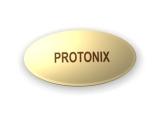
Generic Protonix ( Pantoprazole )
Protonix is a brand of pantoprazole, a proton pump inhibitor (PPI) that reduces stomach acid production. It treats gastroesophageal reflux disease (GERD), erosive esophagitis, and other acid-related conditions such as duodenal and gastric ulcers. Pantoprazole works by binding to the (H+, K+)-ATPase enzyme system in gastric parietal cells, suppressing the final step of acid secretion for over 24 hours. Protonix is available as 20 mg and 40 mg delayed-release tablets. The usual adult dose is 40 mg once daily for up to 8 weeks to heal erosive esophagitis, then 20 mg daily for maintenance. In Canada, pantoprazole is marketed under the brand name Pantoloc rather than Protonix. Always follow your doctor or pharmacist's instructions.
+ Next orders 10% discount

+ Next orders 10% discount
+ Next orders 10% discount
+ Next orders 10% discount
+ Next orders 10% discount
+ Next orders 10% discount
+ Next orders 10% discount
+ Next orders 10% discount
+ Next orders 10% discount
+ Next orders 10% discount
+ Next orders 10% discount
+ Next orders 10% discount
+ Next orders 10% discount
+ Next orders 10% discount
+ Next orders 10% discount
Buy cheap Generic Protonix (Pantoprazole) without dr prescription at Canadian Pharmacy
Protonix (Pantoprazole 20 mg, 40 mg): Comprehensive Patient Information for Canada
Basic Product Information
| Generic Name (INN) | Pantoprazole (as pantoprazole sodium sesquihydrate or pantoprazole magnesium) |
| Canadian Brand Names / Trade Names | Protonix, Pantoloc; generic formulations include Apo-Pantoprazole, Dom-Pantoprazole, Jamp-Pantoprazole, Mylan-Pantoprazole T, pms-Pantoprazole, Sandoz Pantoprazole, Teva-Pantoprazole, AG-Pantoprazole, and various others |
| ATC Code | A02BC02 |
| Available Dosage Forms and Strengths | Delayed-release (enteric-coated) tablets: 20 mg and 40 mg. Also available as an intravenous injection (40 mg vial) for short-term use in hospital settings. |
| Manufacturers | Mylan Pharmaceuticals ULC, Apotex Inc., Teva Canada, Pharmascience, Jamp Pharma, Sandoz Canada, Angita Pharma, and others |
| Prescription Status | Prescription only in Canada |
Mechanism of Action
In simple terms: Pantoprazole is a proton pump inhibitor (PPI) that reduces the amount of acid your stomach produces. It works by blocking the tiny pumps in the stomach cells that release acid. By lowering acid levels, it helps heal damage to the food pipe (esophagus) caused by acid reflux, treat stomach and intestinal ulcers, and relieve heartburn. It is also used in combination with antibiotics to treat ulcers caused by H. pylori bacteria.
For specialists: Pantoprazole is a substituted benzimidazole that inhibits gastric acid secretion by specific action on the proton pumps (H+, K+-ATPase enzyme system) of the gastric parietal cells. This enzyme system is regarded as the acid (proton) pump within the gastric mucosa. Pantoprazole is converted to its active form in the acidic environment of the parietal cell canaliculi, where it inhibits the final step of hydrochloric acid production. The effect is dose-proportional. Pantoprazole has a more predictable pharmacokinetic profile compared with some other PPIs and is less dependent on CYP2C19 metabolism for its elimination. It is a racemic mixture, and its pharmacokinetics are linear over the oral dose range of 10 mg to 80 mg. Pantoprazole does not accumulate with multiple daily dosing.
Pharmacokinetics
- Absorption: Pantoprazole is rapidly absorbed after oral administration, but the enteric coating delays absorption until the tablet leaves the stomach. Peak serum concentration (Cmax) is reached approximately 2.5 hours after a 40 mg oral dose. The absolute bioavailability is approximately 77%. Food may delay the time to peak concentration but does not significantly affect the extent of absorption.
- Metabolism: Pantoprazole is extensively metabolized in the liver. The main metabolic pathway is demethylation by CYP2C19, with subsequent sulfation. Other metabolic pathways include oxidation by CYP3A4. Unlike some other PPIs, pantoprazole's metabolism is less dependent on CYP2C19, which may contribute to more predictable effects between patients.
- Elimination: The terminal elimination half-life is approximately 1 hour. Pantoprazole is approximately 98% bound to plasma proteins. Elimination is primarily renal (approximately 80%) and fecal (approximately 20%).
- Onset of Action: Acid suppression begins within 1 hour of oral administration. Symptomatic relief of heartburn is typically experienced within the first few days of treatment.
- Duration of Action: The effect on gastric acid secretion persists for more than 24 hours after a single dose, despite the short plasma half-life, due to irreversible binding to the proton pump.
Uses in Daily Life and Best Practice Advice
Pantoprazole is prescribed in Canada for the treatment of acid-related conditions. Your physician will determine the appropriate use and dose based on your specific medical situation.
- Typical Uses: Treatment of duodenal ulcer, gastric ulcer, reflux esophagitis, and symptomatic gastro-esophageal reflux disease (GERD). It is also used in combination with antibiotics for the eradication of Helicobacter pylori in patients with duodenal ulcer. Additionally, it is used to prevent stomach ulcers associated with nonsteroidal anti-inflammatory drug (NSAID) use.
- Administration: Take the tablet whole with a glass of water in the morning, either before, during, or after breakfast. Do not chew or crush the tablet, as this will destroy the enteric coating and reduce effectiveness.
- Monitoring: If symptoms do not improve within a reasonable period, or if they worsen, consult your physician. Long-term use should be reassessed periodically, as 30–40% of long-term PPI prescriptions may not be indicated for continuous use.
- Do Not Stop Without Medical Advice: Do not stop taking this medication without consulting your physician, especially if you are being treated for a serious condition.
Morning vs. Evening Dosing
Pantoprazole is typically taken once daily in the morning. This timing is recommended because the proton pumps are most active after a period of fasting, such as overnight. Taking it in the morning before breakfast maximizes its effectiveness.
- Morning Dosing: The standard recommendation is to take pantoprazole 40 mg once daily in the morning before breakfast.
- Consistency: Take pantoprazole at the same time each day to ensure maximum effectiveness.
- Missed Dose: If you miss a dose, take it as soon as possible and continue with your regular schedule. If it is almost time for your next dose, skip the missed dose and continue with your regular dosing schedule. Do not take a double dose.
- Professional Guidance: Your healthcare provider may adjust the timing based on your condition and other medications.
Administration With or Without Food
Pantoprazole should be taken in the morning, and it can be taken before, during, or after breakfast. Food does not significantly affect the total amount of medication absorbed, but it may delay the time it takes to reach peak levels in the blood.
- Take the tablet whole with a full glass of water.
- Do not chew or crush the tablet. Swallow it whole to preserve the enteric coating.
- Take pantoprazole in the morning, either before, during, or after breakfast.
- For patients who have difficulty swallowing tablets, a delayed-release oral suspension is available. It is given approximately 30 minutes before a meal.
Interaction Warnings
| Interaction | Advice |
|---|---|
| Rilpivirine-containing products | Contraindicated. PPIs, including pantoprazole, are contraindicated with rilpivirine-containing products due to reduced absorption of rilpivirine. |
| Atazanavir, Nelfinavir | Pantoprazole may reduce the absorption of these antiretroviral medications. Concomitant use is not recommended. |
| Ketoconazole, Itraconazole | Pantoprazole may reduce the absorption of these antifungal agents. Monitor clinical response. |
| Warfarin | Pantoprazole may interact with warfarin. Monitor INR closely during concomitant use. |
| Methotrexate | Pantoprazole, like other PPIs, may interact with methotrexate when used at the same time. This combination may lead to higher-than-expected amounts of methotrexate in the body and can cause serious side effects. Monitor for methotrexate toxicity. |
| Clopidogrel | Pantoprazole interferes least with clopidogrel metabolism of all the PPIs, which is why it is commonly chosen for patients taking clopidogrel. |
| Digoxin | Pantoprazole may increase digoxin levels. Monitor digoxin concentrations and clinical response. |
| Drugs that Prolong the QT Interval | Use with caution and monitor ECG if necessary. |
Indications for Pantoprazole
| Condition | Status |
|---|---|
| Duodenal ulcer | Approved (Health Canada) |
| Gastric ulcer | Approved (Health Canada) |
| Reflux esophagitis | Approved (Health Canada) |
| Symptomatic gastro-esophageal reflux disease (GERD) | Approved (Health Canada) |
| Helicobacter pylori-associated duodenal ulcer (in combination with antibiotics) | Approved (Health Canada) |
| Prevention of NSAID-associated stomach ulcers | Approved (Health Canada) |
"Off-label" means use outside the official approved indication, usually based on current medical guidelines and scientific evidence.
Dosing According to Clinical Indication
| Indication | Adults | Children and Adolescents | Duration |
|---|---|---|---|
| Reflux esophagitis | 40 mg once daily in the morning | Not established | 4 to 8 weeks; may continue at 20–40 mg daily for maintenance |
| GERD / Heartburn (symptomatic) | 40 mg once daily in the morning | Not established | Up to 4 weeks |
| Duodenal ulcer | 40 mg once daily in the morning | Not established | 2 to 4 weeks |
| Gastric ulcer | 40 mg once daily in the morning | Not established | 4 to 8 weeks |
| Prevention of NSAID-associated stomach ulcers | 20 mg once daily in the morning | Not established | As directed by physician |
| H. pylori eradication (duodenal ulcer) | 40 mg twice daily with antibiotics | Not established | 7 days |
| Intravenous use (hospital setting) | 40 mg once daily | 1–1.5 mg/kg/dose (maximum 40 mg/dose) divided every 12–24 hours | Up to 7 days |
Doses should always be adjusted according to the advice of your physician and depending on your health condition. No dosage adjustment is necessary for elderly patients or those with mild to moderate renal or hepatic impairment. For patients with severe hepatic impairment, a reduced dose may be considered.
Side Effects and Safety Profile
| Common (>2%) | Occasional (1–2%) | Rare / Serious (<1%) | Warnings |
|---|---|---|---|
|
|
|
|
Guidelines for Correct Use
- Take pantoprazole exactly as prescribed by your physician. Do not change your dose without medical advice.
- Take the tablet whole with a full glass of water in the morning, either before, during, or after breakfast.
- Do not chew or crush the tablet. Swallow it whole to preserve the enteric coating.
- Do not take more than one dose per day unless directed by your physician.
- Use the lowest dose and shortest duration appropriate to your condition. The recommended duration of initial PPI treatment is usually no more than 8 weeks.
- Do not stop taking this medication without consulting your physician.
- If you are pregnant, planning to become pregnant, or breastfeeding, consult your physician before use.
- If you miss a dose, take it as soon as possible. If it is almost time for your next dose, skip the missed dose. Do not double the dose.
- Keep all medical appointments for monitoring of your condition.
- Store at room temperature in a dry place. Keep out of reach of children.
Alternative Treatment Options
- Omeprazole (Losec): A commonly used PPI available in 10 mg, 20 mg, and 40 mg delayed-release capsules. Taken once daily. Available in generic form in Canada.
- Esomeprazole (Nexium): The S-enantiomer of omeprazole. Available in 20 mg and 40 mg capsules. Taken once daily. Available in generic form in Canada.
- Lansoprazole (Prevacid): A PPI available in 15 mg and 30 mg delayed-release capsules. Taken once daily. Widely available in generic form in Canada.
- Rabeprazole (Pariet): A PPI available in 10 mg and 20 mg tablets. Taken once daily. Available in generic form in Canada.
- Dexlansoprazole (Dexilant): A dual delayed-release PPI available in 30 mg and 60 mg capsules. Taken once daily.
Comparison: Pantoprazole is distinguished from other PPIs by its more predictable pharmacokinetic profile and its lower potential for interaction with clopidogrel, which is why it is often the PPI of choice for patients taking that medication. It is considered therapeutically equivalent to other standard-dose PPIs, such as esomeprazole 40 mg and lansoprazole 30 mg. Pantoprazole is generally well tolerated and widely available in generic form, making it a cost-effective option. Your physician will determine the best option for your specific condition.
Legal Status, Registration, and Coverage in Canada
- Registration: Pantoprazole is authorized for sale in Canada by Health Canada as a prescription drug. Numerous generic formulations are available in 20 mg and 40 mg delayed-release tablets. An intravenous formulation (Panto I.V.) is also available for hospital use.
- Prescription Status: Prescription only in Canada.
- Coverage: Pantoprazole is widely covered by provincial and territorial drug plans. It is listed as a general benefit on the Ontario Drug Benefit (ODB) formulary. In some provinces, it may be covered under limited use criteria. Generic formulations are generally more affordable than the brand-name product.
- Pharmacovigilance: Adverse reactions should be reported to Health Canada's MedEffect Canada program.
Recent Research and Clinical Guidelines (2022–2026)
- The 2026 Choisir avec soin Canada toolkit, published in Canadian Family Physician, highlights that 30–40% of long-term PPI prescriptions may not be indicated for continuous use. The recommended duration of initial PPI treatment is usually no more than 8 weeks. Deprescribing should be considered regularly, and the reasons for continued long-term use should be documented.
- The 2026 Praxis Medical Insights guideline for hospitalized patient management of GERD recommends oral pantoprazole 40 mg once daily for patients able to take oral medication.
- A 2026 guideline for first-line PPI therapy for typical GERD recommends using pantoprazole 40 mg once daily before breakfast instead of omeprazole. It is preferred to avoid reducing clopidogrel's antiplatelet efficacy and to minimize interactions with other CYP2C19 substrates.
- Research on H. pylori eradication suggests that pantoprazole should be avoided in eradication regimens, as 40 mg of pantoprazole provides acid-suppression potency roughly equivalent to only 9 mg of omeprazole, potentially leading to inferior outcomes.
- Data from the Quebec INESSS indicates that pantoprazole is one of the most recommended PPIs during pregnancy (along with lansoprazole and omeprazole) and during breastfeeding (along with omeprazole).
Availability and Supply in Canada
| Packaging Format | Typical Price (CAD, per month) | Availability |
|---|---|---|
| Pantoprazole 20 mg tablet (generic) | Approximately $5–$20 per month | Available at pharmacies across Canada; prescription required |
| Pantoprazole 40 mg tablet (generic) | Approximately $5–$22 per month; Costco lowest at $5.10/month | Available at pharmacies; multiple generic manufacturers |
| Protonix 20 mg tablet (brand) | Brand price varies; generally higher than generic | May be available; generic alternatives are more commonly dispensed |
| Protonix 40 mg tablet (brand) | Brand price varies; generally higher than generic | May be available; generic alternatives are more commonly dispensed |
| Pantoprazole intravenous injection (40 mg vial) | Price varies; hospital setting | Available in hospital settings; may be subject to supply shortages |
Prices and availability may vary by province, territory, and pharmacy. Generic pantoprazole is widely available in Canada and is generally more affordable than the brand-name product. Pharmacy price comparison: Costco $5.10/month, Walmart $9.60/month, Rexall $11.80/month, Shoppers Drug Mart $13.90/month. Check with your local pharmacy for current pricing and coverage options.
Frequently Asked Questions (FAQ)
- What is the difference between Protonix 20 mg and 40 mg?
The 40 mg dose is typically used for acute treatment of reflux esophagitis, GERD, duodenal ulcers, and gastric ulcers. The 20 mg dose is often used for maintenance therapy to prevent symptoms from returning and for preventing NSAID-associated stomach ulcers. Your physician will determine the appropriate dose for your condition. - How long does pantoprazole take to work?
Pantoprazole begins reducing stomach acid within 1 hour of the first dose. Symptomatic relief of heartburn is typically experienced within the first few days of treatment, but it may take up to 4 weeks for full effect in some conditions. - Can I take pantoprazole with food?
Yes. Pantoprazole can be taken before, during, or after breakfast. The most important thing is to take it in the morning and to swallow the tablet whole without chewing or crushing it. - What should I do if I miss a dose?
If you miss a dose, take it as soon as possible. If it is almost time for your next dose, skip the missed dose and continue with your regular schedule. Do not take two doses at the same time. - Can I stop taking pantoprazole if I feel better?
Do not stop taking pantoprazole without consulting your physician. Abrupt discontinuation may cause your symptoms to return. Your physician will advise you on the appropriate duration of treatment and whether a gradual dose reduction is needed. - What are the long-term risks of taking pantoprazole?
Long-term use of PPIs, including pantoprazole, has been associated with an increased risk of bone fractures, low magnesium levels, vitamin B12 deficiency, and certain infections. Use the lowest dose and shortest duration appropriate to your condition. Discuss any concerns with your physician. - Is pantoprazole safe during pregnancy?
Data from Canadian sources suggest that pantoprazole is one of the most recommended PPIs during pregnancy, along with lansoprazole and omeprazole. It should be used during pregnancy only if clearly needed. Consult your physician if you are pregnant, planning to become pregnant, or breastfeeding. Pantoprazole is also one of the most recommended PPIs during breastfeeding, along with omeprazole. - Are there generic versions of pantoprazole available in Canada?
Yes. Generic pantoprazole is widely available in Canada in both 20 mg and 40 mg strengths from multiple manufacturers, including Apotex, Teva Canada, Mylan, Jamp Pharma, Sandoz, and Angita Pharma. Generic versions are generally more affordable than the brand-name product.
How to buy Generic Protonix without rx in Canada.


| Shipping method | Delivery time | Price | |
 Delivery |
14-21 days | 14.95$ | Tracking# available in 4 days |
 Delivery |
9-14 days | 30$ | Tracking# available in 2 days |

- Shipping worldwide
- Confidentiality and anonymity guarantee
- Safe and secure
- Discrete looking packages
- Dispatch orders within 24 hours
- 100% success delivery


